

Sergei Prokofiev
1891–1953
Life
Sergei Sergeyevich Prokofiev was born on 23 April 1891 (Gregorian; 11 April Julian) in Sontsovka in the then Yekaterinoslav Governorate, today in the Donetsk Oblast in Ukraine. His mother, who played the piano well herself, laid the foundation for his musical education and encouraged him to compose. After lessons with Reinhold Glière, he was admitted to the St Petersburg Conservatory in 1904, where he studied with Rimsky-Korsakov and Lyadov. A lasting association developed with Sergei Diaghilev, who commissioned ballet scores from him for the Ballets Russes.
After the October Revolution, Prokofiev spent several years in the United States and in Paris before returning to the Soviet Union in 1927. From 1936 he lived permanently in Moscow. He remained extremely productive during the Second World War, although conditions were difficult. In 1948 he came under criticism from Soviet cultural policy, and some of his works were banned from concert life. He died in Moscow on 5 March 1953.
Works and Style
Initially Prokofiev made his name as a pianist and composer, with fiercely dissonant, virtuosic piano pieces and the first two piano concertos. With the Scythian Suite, which grew out of ballet music, he turned to orchestral composition. His greatest passion, however, was opera. Characteristic are sharp dissonances, which he combined with lush harmony and brilliant orchestration. In the Soviet era he wrote a simpler, more accessible musical language, which is occasionally termed the New Simplicity.
He also gained fame as a film composer: Sergei Eisenstein called him the ideal musician for the screen. His film scores include, among others, Lieutenant Kijé and Alexander Nevsky.
Well-known Works
The symphonic fairy tale Peter and the Wolf, composed in 1936, remains one of the most popular works of classical music for children and is performed frequently around the world. The ballet Romeo and Juliet, composed in 1935/36, is another high point; its premiere took place in 1938 in Brno. Also well known are the ballet Cinderella, the opera War and Peace, and the cantata Alexander Nevsky, which he developed from his film score. The Piano Concertos Nos. 2 and 3 and the Symphony No. 7 also belong to the standard repertoire.
Concert Life Today
In winter and spring 2027, Prokofiev can be heard in several concerts in the German-speaking world. At the Tonhalle Zürich, Daniil Trifonov plays the Piano Concerto No. 2 under Paavo Järvi, and the Symphony No. 7 is also on the programme. Jan Lisiecki performs the second piano concerto with the Royal Philharmonic Orchestra under Vasily Petrenko at the Isarphilharmonie Munich and at the Konzerthaus Freiburg. In Bremen, the third piano concerto with Hayato Sumino and the Deutsche Kammerphilharmonie is performed at the Glocke, and the Poiesis Quartet presents the String Quartet No. 1 at the Glocke. Further dates lead to Winterthur's Stadthaus, to the Casino in Bern, to Bamberg with María Dueñas and the Bamberger Symphoniker, to Weimar with the Staatskapelle, and to the Large Hall of the Elbphilharmonie Hamburg, where Visions fugitives in Barshai's arrangement can be heard. In May 2027, finally, a piano recital by Alexander Malofeev takes place at the Wiener Musikverein.
Upcoming concerts featuring works by Sergei Prokofiev
Friday 15 January
19:00Poiesis QuartetPoiesis QuartetDie Glocke Bremen, BremenSaturday 16 January
19:30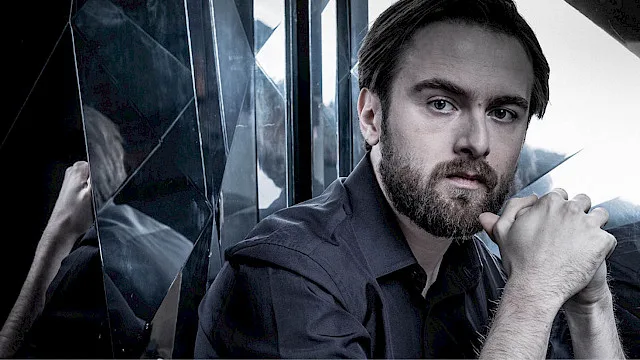 Paavo Järvi & Daniil TrifonovOrchester der Oper Zürich Paavo Järvi, Leitung Daniil Trifonov, KlavierTonhalle Zürich
Monday 1 February
20:00Jan Lisiecki (piano), Royal Philharmonic Orchestra, Vasily Petrenko (conductor)Jan Lisiecki (Klavier) Royal Philharmonic Orchestra Vasily Petrenko (Leitung)Isarphilharmonie, MünchenTuesday 2 February
19:30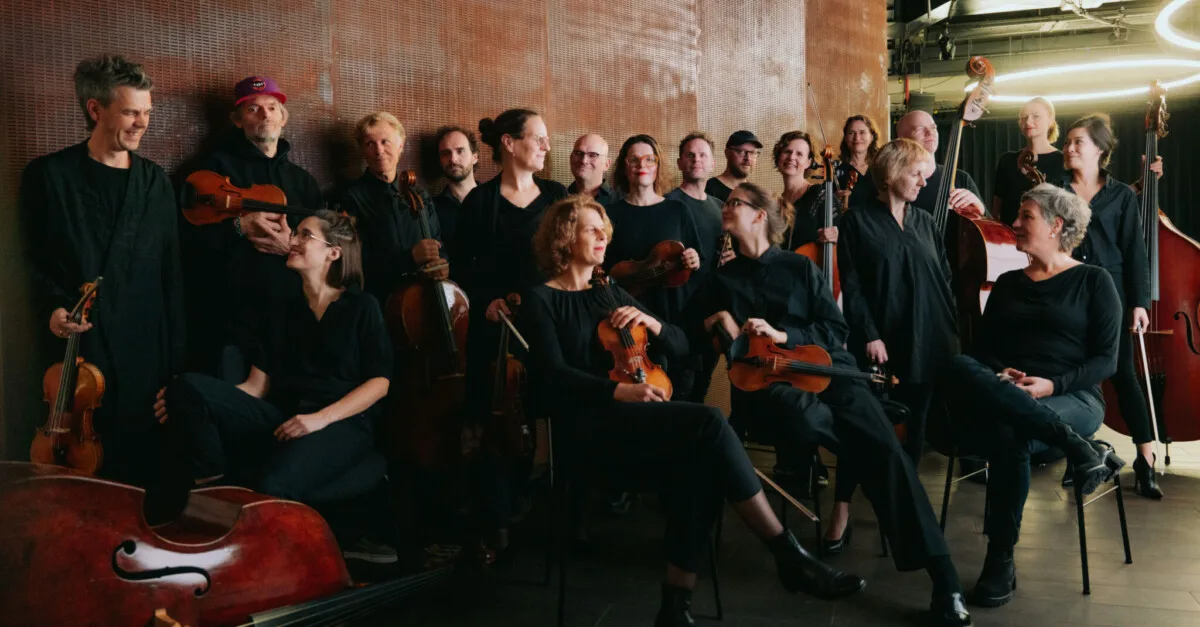 Aurora – The Glow of the MomentSophie Lücke (Kontrabass) Goran Stevanovich (Akkordeon) Ensemble Resonanz Enno Poppe (Leitung)Elbphilharmonie, Hamburg (Großer Saal)
Wednesday 3 February
09:30 The FirebirdMusikkollegium Winterthur Claire Levacher Claire HuangciStadthaus, Winterthur19:30
 The FirebirdOrchester: Musikkollegium Winterthur · Klavier: Claire Huangci · Leitung: Claire LevacherStadthaus, Winterthur20:00
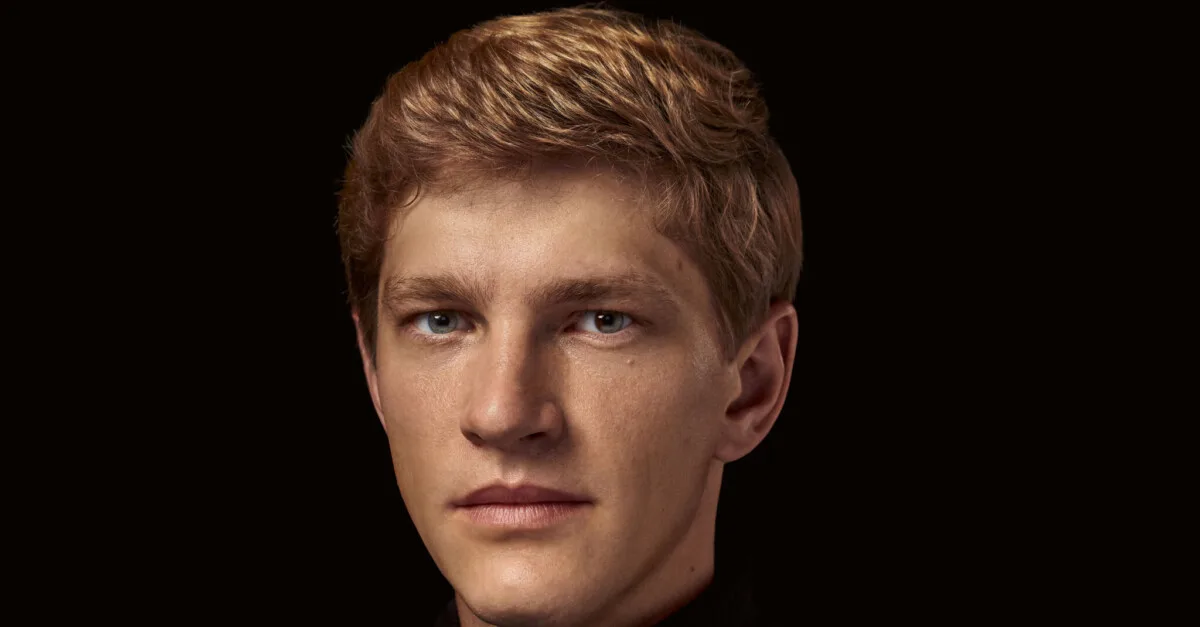 Jan Lisiecki (piano), Royal Philharmonic Orchestra, Vasily Petrenko (conductor)Jan Lisiecki (Klavier) Royal Philharmonic Orchestra Vasily Petrenko (Leitung)Konzerthaus Freiburg, Freiburg, Freiburg im Breisgau
Thursday 4 February
19:30 Hayato Sumino (piano), Die Deutsche Kammerphilharmonie Bremen, Mojca Lavrenčič (conductor)Hayato Sumino (Klavier) Die Deutsche Kammerphilharmonie Bremen Mojca Lavrenčič (Leitung)Die Glocke Bremen, Bremen
Friday 5 February
19:30 Romeo and JulietBerner Symphonierochester · Anna Vinnitskaya, Klavier · Krzysztof UrbańskiCasino Bern20:00
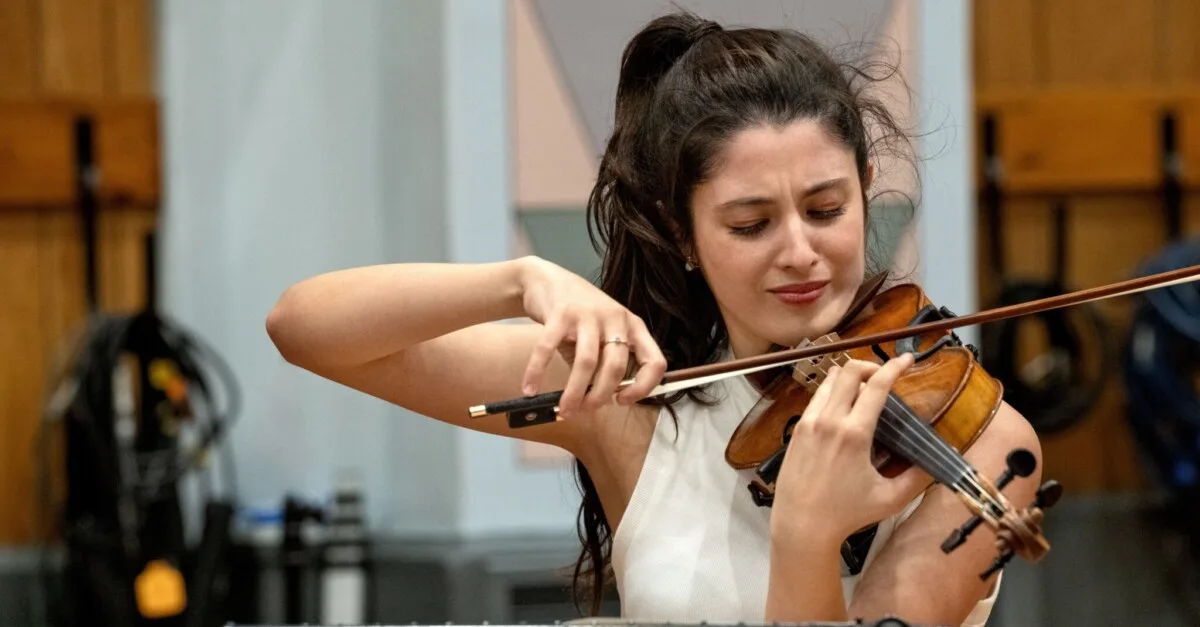 María Dueñas (violin), Bamberg Symphony Orchestra, Jakub Hrůša (conductor)María Dueñas (Violine) Bamberger Symphoniker Jakub Hrůša (Leitung)Konzerthalle Bamberg, Bamberg (Joseph-Keilberth-Saal)
Thursday 29 April
20:00Anna Vinnitskaya (piano), Symphonieorchester des Bayerischen Rundfunks, Kazuki Yamada (conductor)Anna Vinnitskaya (Klavier) Symphonieorchester des Bayerischen Rundfunks Kazuki Yamada (Leitung)Isarphilharmonie, MünchenSunday 2 May
19:30Matthias Höfs (trumpet), Staatskapelle Weimar, Alevtina Ioffe (conductor)Matthias Höfs (Trompete) Staatskapelle Weimar Alevtina Ioffe (Leitung)Weimarhalle, WeimarTuesday 4 May
19:30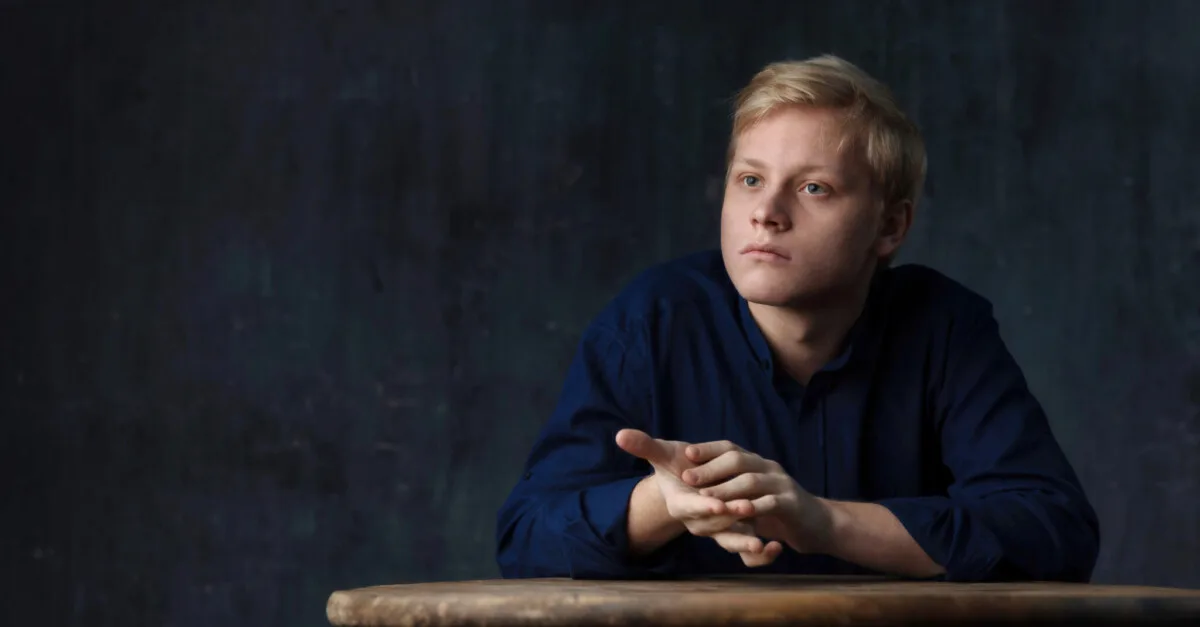 Alexander Malofeev (piano)Alexander Malofeev (Klavier)Musikverein Wien