

Johann Joseph Fux
1660–1741
Life
Johann Joseph Fux was born around 1660 in the village of Hirtenfeld near Graz, the son of a farming family. His exact date of birth is not recorded. After studies in Graz and Ingolstadt, he moved to Vienna in the 1690s, where he took up the post of organist at the Schottenkirche in 1696. Two years later Emperor Leopold I appointed him court composer. Under Joseph I and Charles VI, Fux eventually rose to the position of Hofkapellmeister, a post he took up in 1715 and held until his death in Vienna on 13 February 1741. He was buried at St. Stephen's.
As Hofkapellmeister, Fux was the highest-ranking musician in the Holy Roman Empire. His music shaped the representation of the Habsburgs, and he worked as a teacher; his pupils included Jan Dismas Zelenka, Gottlieb Muffat and Georg Christoph Wagenseil, among others.
Works and Style
Fux left a very extensive oeuvre of over 600 surviving works, covering all the sacred and secular genres of his time. These include masses, requiems and oratorios, as well as several operas and instrumental music. His musical style is conservative: Fux modelled himself on the strict, polyphonic writing of the Renaissance, particularly Palestrina, which is why he is often called the “Austrian Palestrina”.
He became famous above all for his theoretical treatise “Gradus ad Parnassum” of 1725. This Latin textbook on counterpoint, dedicated to Charles VI, formed the basis of composition training for generations. Haydn and Mozart studied it, and Johann Sebastian Bach owned a copy.
Well-Known Works
Besides the “Gradus ad Parnassum”, his operas are particularly well known, including “Elisa” (Vienna 1719) and “Costanza e Fortezza” (Prague 1723). Today's programmes frequently feature his sonatas and overtures for strings and winds, such as the “Sonata Pastorale” in A major or the Overture in D minor, as well as sacred works and trio sonatas.
Concert Life Today
In November 2026, Fux is featured several times in Austria and Germany. In Linz, his Sonata à 3 is on the programme of the Brucknerhaus, and a Sonata a 3 is performed at the Konzerthaus in Vienna in the same month. In Graz, the Orchester Recreation performs a Sonata Pastorale in the Minoritensaal under the direction of violinist Chouchane Siranossian, alongside works by Tartini and Corelli. In February 2027, the Pierre Boulez Saal in Berlin presents Fux with Roberta Mameli and Le Concert de l’Hostel Dieu, and at the Bremer Kirche Unser Lieben Frauen he appears in the programme “Telemann goes East”.
In May 2027, there is another opportunity to hear Fux live: in the Minoritensaal in Graz, Recreation performs one of his overtures under Alfredo Bernardini with Maria Kubizek, and the ensemble Misenos brings him together with other masters of the Baroque at the Brucknerhaus Linz. Those who wish to experience Fux in historic venues will generally find him in churches, monasteries and concert halls whose acoustics suit the repertoire.
Upcoming concerts featuring works by Johann Joseph Fux
Friday 27 November
19:30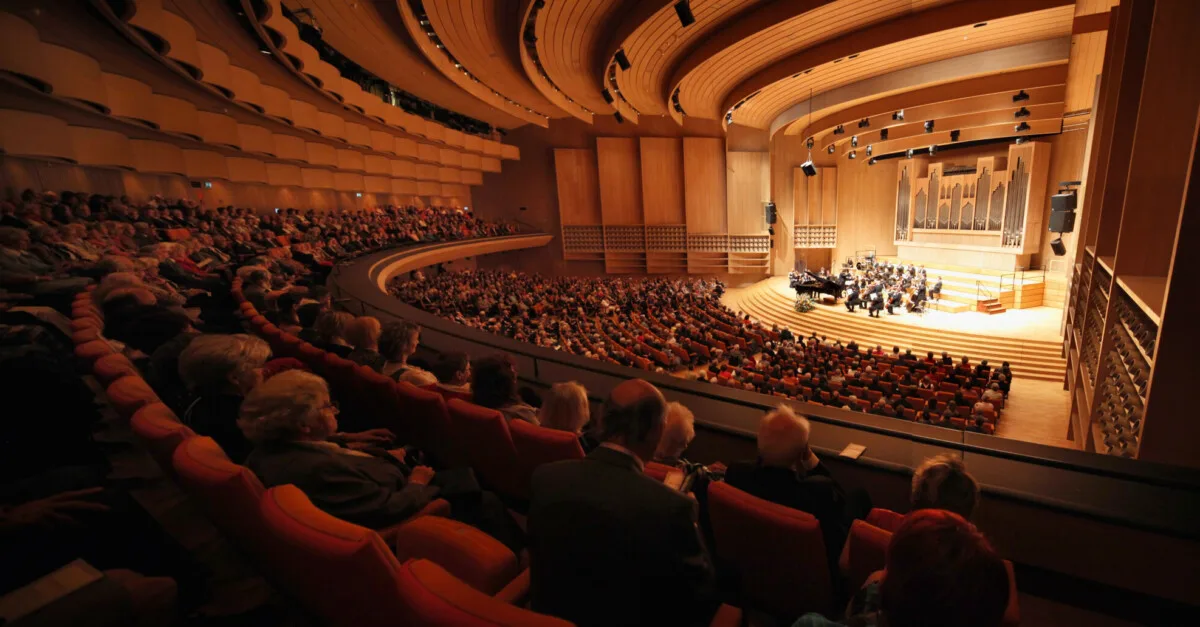 Fux: Sonata à 3Ars Antiqua Austria Gunar Letzbor (Leitung)Brucknerhaus Linz, Linz
Sunday 29 November
19:30Fux: Sonata a 3Ars Antiqua Austria Gunar Letzbor (Violine & Leitung)Wiener KonzerthausMonday 30 November
18:00Recreation – Das Orchester, Chouchane Siranossian (violin & conductor)Recreation – Das Orchester Chouchane Siranossian (Violine & Leitung)Minoritensaal, GrazSaturday 27 February
19:00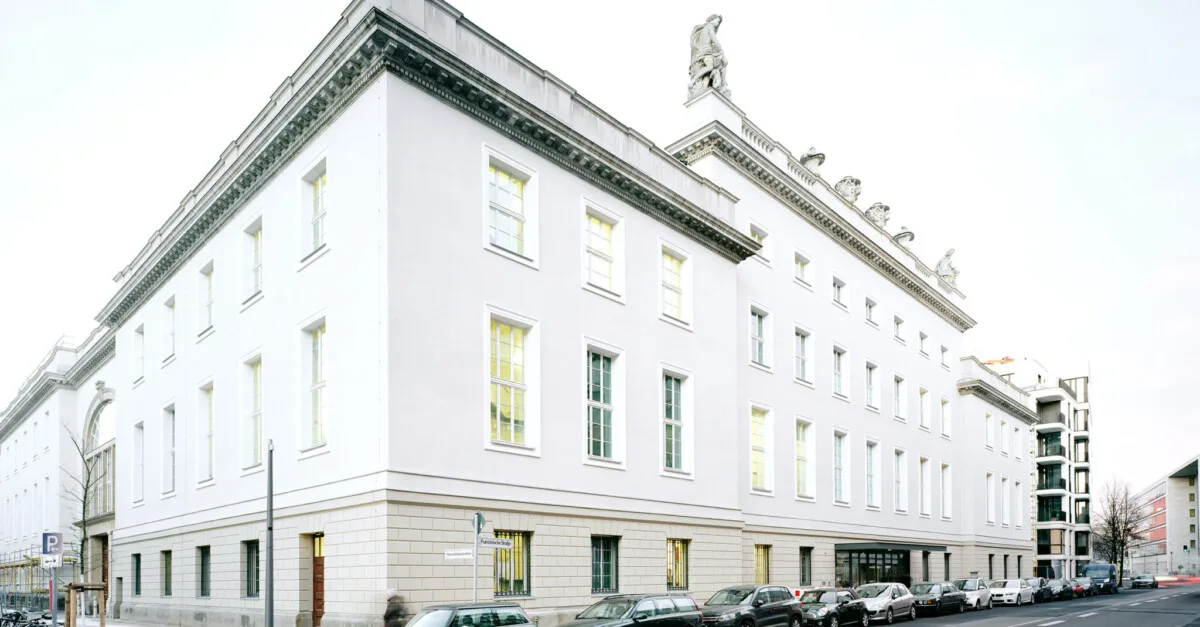 Roberta Mameli (soprano), Le Concert de l'Hostel DieuRoberta Mameli (Sopran) Le Concert de l’Hostel DieuPierre Boulez Saal Berlin, Berlin
Sunday 28 February
20:00Telemann goes East – Musical Excursions between Poland and the BosphorusBremer Barockorchester Néstor Fabián Cortés Garzón (Leitung)Kirche Unser Lieben Frauen, BremenMonday 10 May
18:00Maria Kubizek (violin), Recreation – Das Orchester, Alfredo Bernardini (oboe & conductor)Maria Kubizek (Violine) Recreation – Das Orchester Alfredo Bernardini (Oboe & Leitung)Minoritensaal, GrazWednesday 12 May
19:30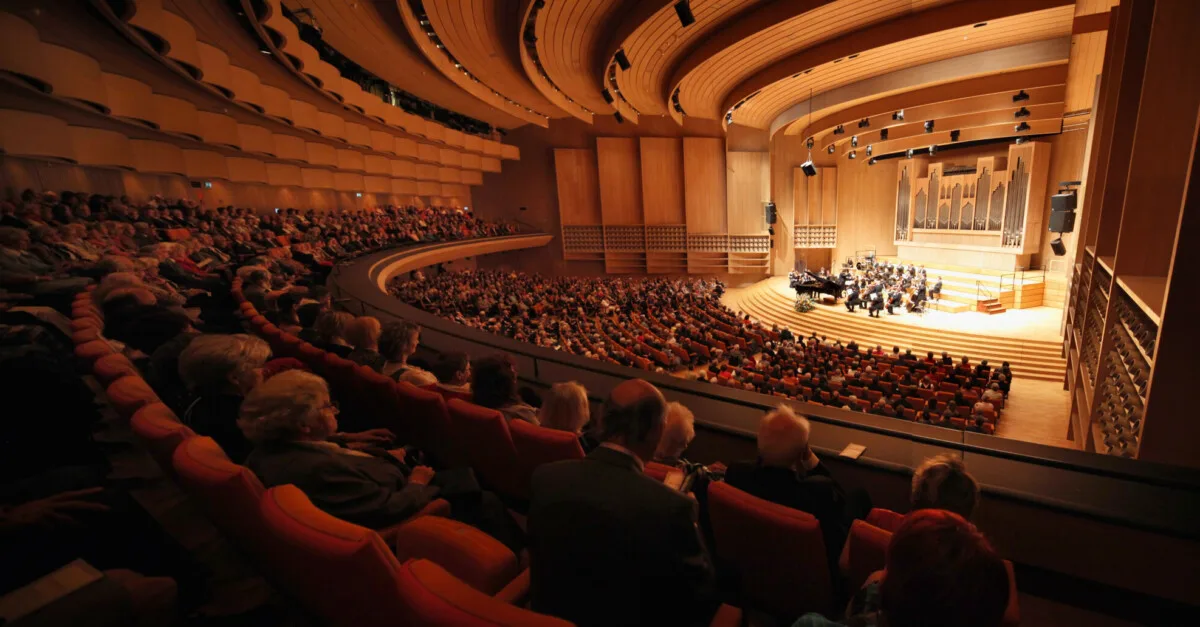 Ensemble MisenosEnsemble MisenosBrucknerhaus Linz, Linz