

Hildegard von Bingen
1098–1179
Life
Hildegard of Bingen lived from 1098 to 1179 as a Benedictine nun in the Rhineland. Her name today stands for one of the most versatile figures of the Middle Ages: she wrote visionary texts, commented on theology, medicine and natural history, and corresponded with high-ranking contemporaries. Music was not a side aspect of her work but an integral part of her spiritual activity. The founding of the convents of Rupertsberg and Eibingen falls within her time as abbess and shaped the setting in which her chants were created.
Works and Style
Hildegard's music is predominantly sacred and intended for liturgical worship. Her chants were mostly composed to her own Latin texts and are monophonic. Particularly striking are the extended melismas, that is, passages in which a single syllable is carried over many notes. For these she developed a genre of her own, which she called symphonia and which she clearly distinguished from the transmitted antiphons and responsories. It is also notable that she hardly regarded herself as a composer, although more of her chants have survived than those of any other composer of the Middle Ages.
Notable Works
Her most important stage work is the Ordo virtutum (Play of the Virtues), which probably dates from around 1151. It depicts the struggle for a human soul, in which sixteen virtues prevail against the devil; he is the only character who does not sing. The song collection Symphonia armoniae celestium revelationum comprises around 77 chants, including antiphons, hymns, sequences and responsories. Her antiphon O virtus sapientiae is among the pieces performed most often today.
Concert Life Today
In winter and spring 2027, Hildegard's music can be heard in very different contexts. At the Stadtkirche Stein-Hemishofen, as part of Schaffhausen Klassik, her O virtus sapientiae is performed alongside works by Lera Auerbach and Luise Adolpha Le Beau. In the Haydnsaal of Schloss Esterházy in Eisenstadt, her O frondes virga is on the programme «Bach and beyond» between Bach's cello suites. In Vienna, she can be heard at the Musikverein in January with the Maat Saxophone Quartet, while the Wiener Konzerthaus is hosting a song recital in May with Sabine Devieilhe and Mathieu Pordoy, in which works by Hildegard appear alongside Debussy and Clara Schumann.
Further engagements include the Philharmonie Essen with Wallis Bird and the Ensemble Spark, as well as the Konzerthaus Stadthalle Heidelberg with Maxine Troglauer and Julius Windisch. In June, the Camerata Variabile performs the programme «Fenster zum Innen» in Bern, Neuhausen am Rheinfall, at the Konservatorium Zürich and at Don Bosco in Basel, where Hildegard appears alongside Josquin Desprez and Arvo Pärt.
Upcoming concerts featuring works by Hildegard von Bingen
Wednesday 13 January
18:00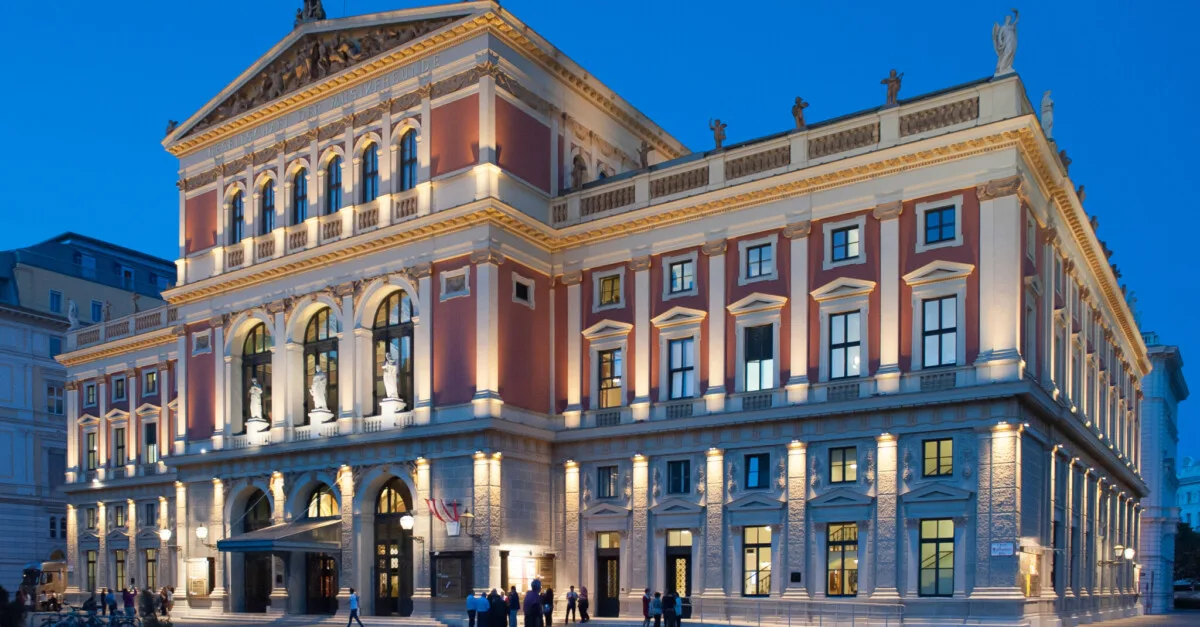 Maat Saxophone QuartetMaat Saxophone QuartetMusikverein Wien
Wednesday 3 February
19:00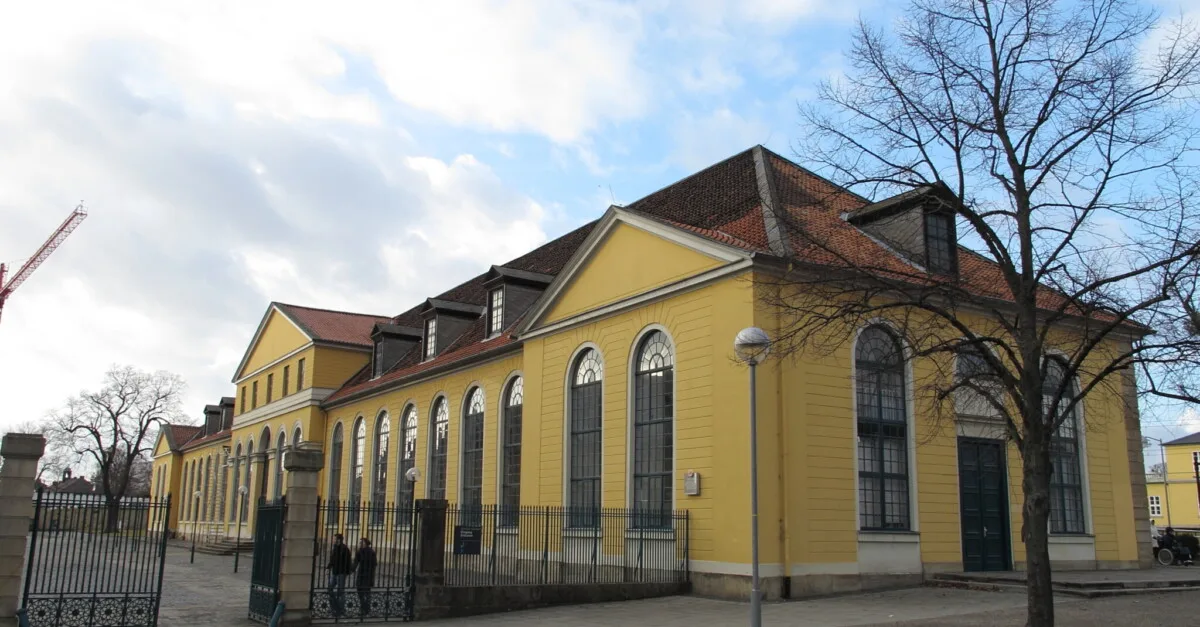 Stockholm Chamber BrassStockholm Chamber BrassOrangerie Herrenhausen, Hannover
Saturday 6 February
19:00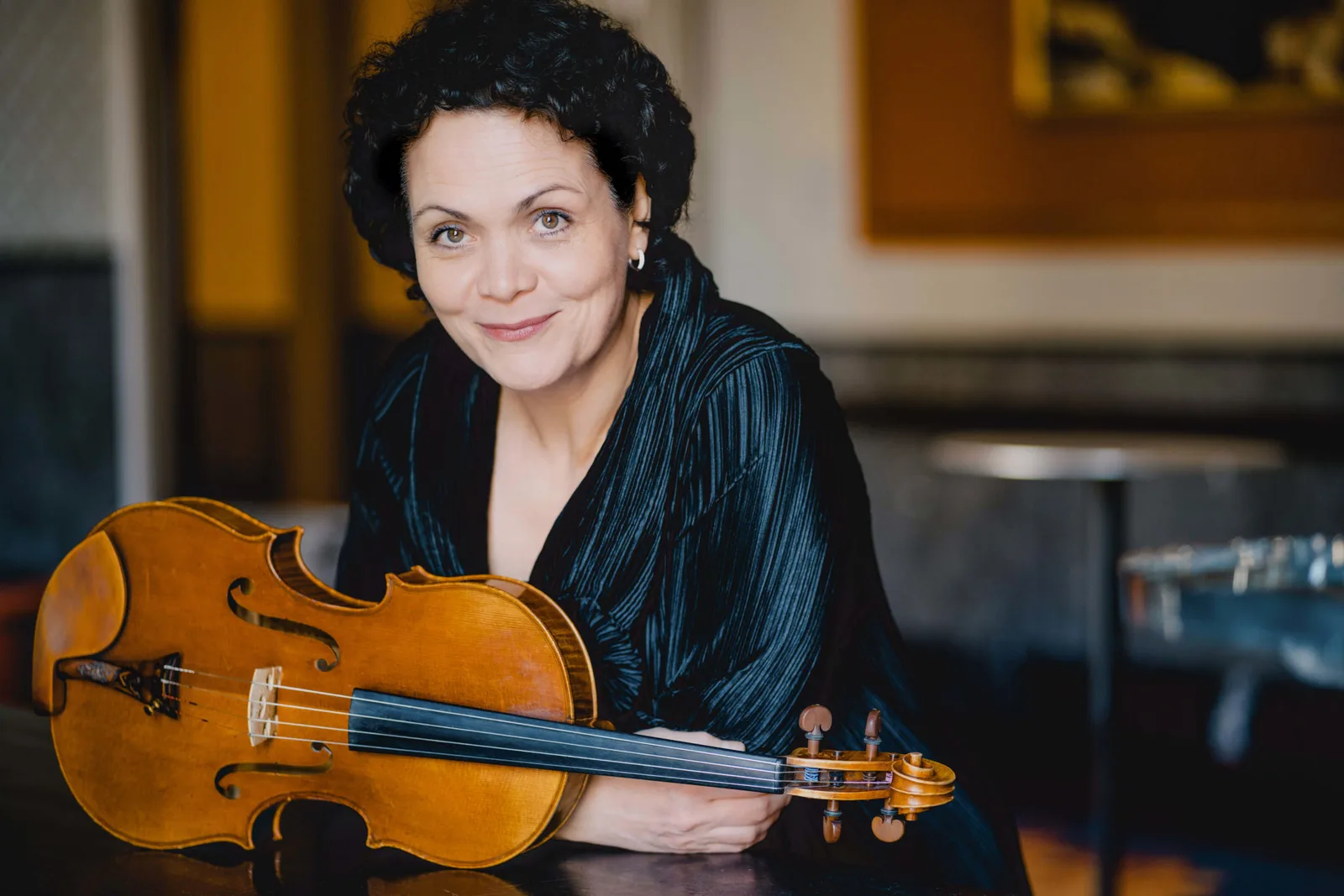 Tabea Zimmermann (viola), Antoine Tamestit (viola)Tabea Zimmermann (Viola) Antoine Tamestit (Viola)Pierre Boulez Saal Berlin, Berlin
Friday 19 February
19:30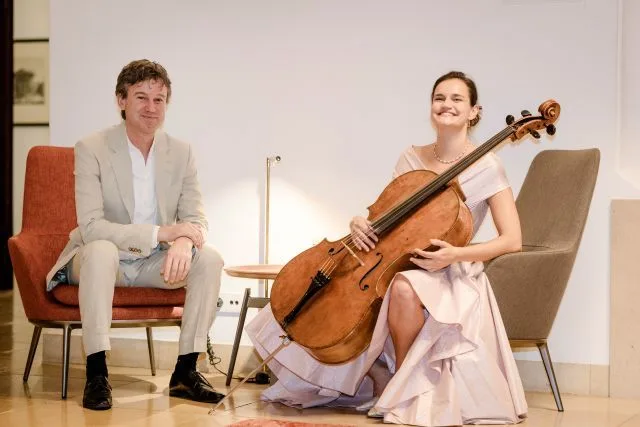 Schaffhausen Klassik Concert 4: «FORTISSIMA!»Raphaela Gromes, Violoncello Julian Riem, KlavierStadtkirche (Stein-Hemishofen), Stein am Rhein
Saturday 20 February
19:30Bach and beyondAnastasia Kobekina (Violoncello)Schloss Esterházy, Eisenstadt (Haydnsaal)Sunday 7 March
17:00Wallis Bird (vocals & guitar), SparkWallis Bird (Gesang & Gitarre) SparkPhilharmonie Essen, EssenThursday 1 April
18:00Maxine Troglauer (bass trombone), Julius Windisch (piano & synthesizer)Maxine Troglauer (Bassposaune) Julius Windisch (Klavier & Synthesizer)Konzerthaus Stadthalle HeidelbergTuesday 25 May
19:30Sabine Devieilhe (soprano), Mathieu Pordoy (piano)Sabine Devieilhe (Sopran) Mathieu Pordoy (Klavier)Wiener KonzerthausWednesday 9 June
19:30 Window to the Inner - Camerata VariabileMusiker:innen Isabelle Schnöller, Flöte Matthias Arter, Oboe Karin Dornbusch, Klarinette Rui Lopes, Fagott Flavio Barbosa, Horn Helena Winkelman, Violine Sherniyaz Mussakhan, Violine Alessandro D’Amico, Viola Christoph Dangel, Violoncello Stefka Perifanova, Klavier Mikolaj Rytowsky, Perkussion · Matthieu Romanens, TenorFranzösische Kirche, Bern
Thursday 10 June
19:30 Window to the Inside - Camerata VariabileMusiker:innen Isabelle Schnöller, Flöte Matthias Arter, Oboe Karin Dornbusch, Klarinette Rui Lopes, Fagott Flavio Barbosa, Horn Helena Winkelman, Violine Sherniyaz Mussakhan, Violine Alessandro D’Amico, Viola Christoph Dangel, Violoncello Stefka Perifanova, Klavier Mikolaj Rytowsky, Perkussion · Matthieu Romanens, TenorReformierte Kirche Neuhausen am Rheinfall
Saturday 12 June
19:00 Window to the Inside – Camerata VariabileMusiker:innen Isabelle Schnöller, Flöte Matthias Arter, Oboe Karin Dornbusch, Klarinette Rui Lopes, Fagott Flavio Barbosa, Horn Helena Winkelman, Violine Sherniyaz Mussakhan, Violine Alessandro D’Amico, Viola Christoph Dangel, Violoncello Stefka Perifanova, Klavier Mikolaj Rytowsky, Perkussion · Matthieu Romanens, TenorMusikschule Konservatorium Zürich (MKZ)
Sunday 13 June
17:00 Fenster zum Innen - Camerata VariabileMusiker:innen Isabelle Schnöller, Flöte Matthias Arter, Oboe Karin Dornbusch, Klarinette Rui Lopes, Fagott Flavio Barbosa, Horn Helena Winkelman, Violine Sherniyaz Mussakhan, Violine Alessandro D’Amico, Viola Christoph Dangel, Violoncello Stefka Perifanova, Klavier Mikolaj Rytowsky, Perkussion · Matthieu Romanens, TenorDon Bosco Basel
Friday 2 July
19:30 Raphaela Gromes (cello), Julian Riem (piano)Raphaela Gromes (Violoncello) Julian Riem (Klavier)Stadttheater Fürth, Fürth (Hinterbühne)