

Heinrich Schütz
1585–1672
Life
Heinrich Schütz was born in 1585 in Köstritz, Thuringia, and died in 1672 in Dresden. He is counted among the first German composers of European stature and shaped the music of the early Baroque. His career began as a choirboy at the court of Landgrave Moritz in Kassel. A study trip to Venice brought him into contact with Giovanni Gabrieli, whom he regarded as his most important teacher for the rest of his life. From 1617 he served as court Kapellmeister in Dresden, an office he held until his death. Several stays in Copenhagen interrupted this period, but Dresden remained his true centre of activity.
Works and Style
Schütz's output is almost entirely sacred in nature; exceptions are his early madrigal book from his Italian journey and a lost opera from 1627, which is regarded as the first German opera. With the Psalmen Davids of 1619 he brought the Italian concerto style into Protestant church music. Later he combined the polychoral writing of his early years with a soloistic style he had encountered with Claudio Monteverdi. The years of war necessitated smaller forces, which is why the Kleine geistliche Konzerte manage with a few voices and basso continuo. More than 500 surviving works are attributed to him.
Well-Known Works
Among his central works are the Psalmen Davids (1619), the Historia der Auferstehung (1623), the Symphoniae sacrae in several parts and the Musikalische Exequien of 1636, written for the funeral of Heinrich Posthumus Reuss. In his last years he wrote three Passions as well as a Christmas Oratorio. The so-called Swan Song of 1671 brought his oeuvre to a close.
Concert Life Today
Schütz is regularly present in the concert programmes of the region. In Switzerland, the Engadiner Kantorei sang a cappella programmes in January 2025 with works by Hieronymus Praetorius, Dobrinka Tabakova and Schütz, including in Brunnen and at the Peterskirche in Basel. In Dresden he features in November 2026 in the programme of the Frauenkirche, where the choir, with Instrumenta Musica under Matthias Grünert, performs works by Schütz, Monteverdi and Praetorius. Further dates take him to Berlin's Sophienkirche, where the Vocal Consort appears together with the B'Rock Orchestra, and to the Lübeck Cathedral with a commemorative concert for Willy Brandt's kneeling at the Warsaw memorial. In spring 2027 the Musikalische Exequien will be heard in the Elbphilharmonie in Hamburg, performed by the Kammerchor der Universität Göttingen with members of the Lautten Compagney. The Windsbacher Knabenchor is guest at the Stadtkirche in Darmstadt, and in Heidelberg the Peterskirche devotes a programme to Schütz and new music. Works by Schütz are also on the schedule in Leverkusen, Siegburg and at the Rokokotheater in Schwetzingen.
Upcoming concerts featuring works by Heinrich Schütz
Thursday 26 November
20:00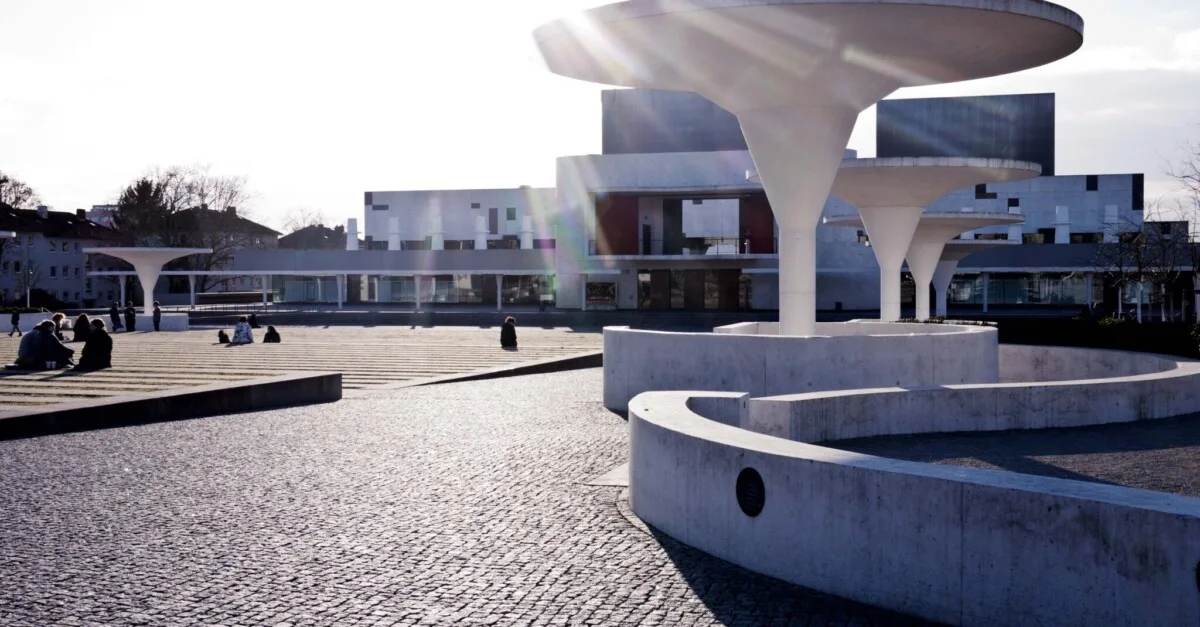 Schütz: Historia NativitatisEnsemble Poly HarmoniqueStaatstheater Darmstadt, Darmstadt (Foyer)
Sunday 29 November
16:00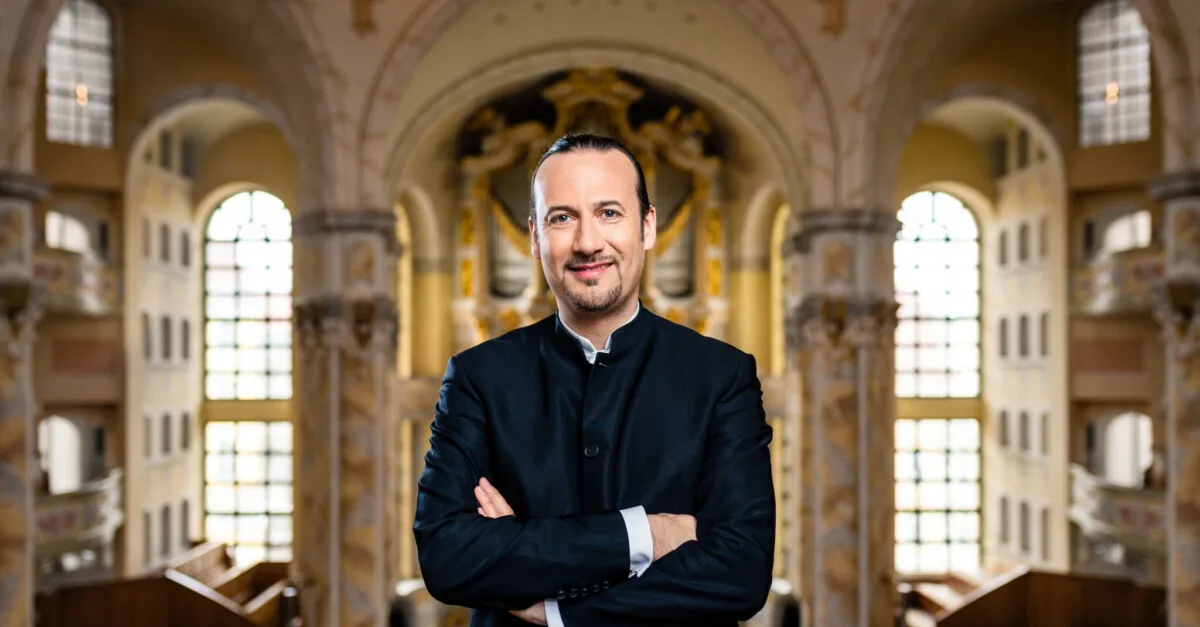 Chor der Frauenkirche, Instrumenta Musica, Matthias Grünert (Leitung)Chor der Frauenkirche Instrumenta Musica Matthias Grünert (Leitung)Frauenkirche Dresden, Dresden19:00Vocal Consort, B’Rock OrchestraVocal Consort B’Rock OrchestraSophienkirche, Berlin
Monday 7 December
19:00Konzert zur Erinnerung an den Kniefall von Willy Brandt in Warschau am 7. Dezember 1970Thüringischer Akademischer Singkreis Kammerchor Capella St. Marien Instrumentalisten der Capella St. Marien Johannes Unger (Leitung)Dom zu Lübeck, LübeckSunday 20 December
17:00Voces SuavesVoces SuavesTrinitatis, SiegburgFriday 5 March
19:00Windsbacher Knabenchor, Ludwig Böhme (Leitung)Windsbacher Knabenchor Ludwig Böhme (Leitung)Ev. Stadtkirche, DarmstadtSunday 7 March
18:00Kammerchor der Universität Göttingen, Mitglieder der Lautten Compagney BerlinKammerchor der Universität Göttingen Mitglieder der Lautten Compagney BerlinElbphilharmonie, Hamburg (Großer Saal)Tuesday 9 March
20:00 VertigoPygmalion Raphaël Pichon (Leitung)Laeiszhalle, Hamburg (Großer Saal)