

Dvořák
1841–1904
Life
Antonín Leopold Dvořák was born on 8 September 1841 in Nelahozeves near Prague and died on 1 May 1904 in Prague. His parents recognised his musical talent early, and he received his first training in the village. From 1857 he attended the Prague Organ School, which he completed in 1859. He then earned his living first as a viola player in Prague orchestras, including at the Interim Theatre, which was conducted by Bedřich Smetana in the 1860s. Johannes Brahms became aware of his early compositions and recommended him to the publisher Fritz Simrock; the Slavonic Dances brought him international success.
Dvořák travelled to England several times, where he found great appreciation. From 1892 to 1895 he directed the National Conservatory of Music in New York. After his return to Prague he taught at the Conservatory and in 1901 took over its direction, a post he held until his death.
Works and Style
Dvořák is regarded as the most important Czech composer of the Romantic era. His output comprises nine symphonies, operas, vocal music, chamber music, and piano and organ pieces. Typical of his music are Bohemian dance rhythms and melodies, which he combines with classical forms. He initially took as models figures such as Beethoven, Schumann and Wagner, but developed a distinctive personal idiom that is valued throughout the world. Today he is the most performed Czech composer in the world.
Well-Known Works
The Symphony No. 9 in E minor op. 95 «From the New World» was composed in 1893 during his stay in New York and ranks among the most popular symphonies of all. Equally beloved are the Slavonic Dances, the Cello Concerto in B minor and the Piano Quintet. With the opera «Rusalka», in which the aria «Song to the Moon» is especially well known, he created a classic of Czech musical theatre. The Stabat Mater and the Dumky Trio also belong to his frequently performed works.
Concert Life Today
In January 2027 the Konzerthaus Dortmund presents Dvořák's Czech Suite op. 39. The work is performed there with the National Chamber Philharmonic Prague under the direction of Thomas Brauner, while the pianist Seunghui Kim plays a piano concerto by Chopin beforehand. In March 2027 the Piano Quintet No. 2 in A major op. 81 can be heard at the Albert-Einstein-Gymnasium in Buchholz i. d. Nordheide, played by a chamber ensemble led by Ludwig and Michael Dorner. In May 2027 the Oldenburgisches Staatstheater stages the Symphony No. 8 in G major op. 88, in an evening with a violin concerto by Trojahn. Also in May 2027 the Konzerthaus Berlin presents the Symphony No. 9 in E minor with the Rundfunk-Sinfonieorchester Berlin under Xian Zhang, the programme complemented by a saxophone concerto with Steven Banks. A look back is due to the song recital with Piotr Beczała and Sarah Tysman at Schloss Grafenegg in August 2026, whose programme included works by Karłowicz, Moniuszko, Tchaikovsky and Rachmaninoff alongside Dvořák.
Upcoming concerts featuring works by Dvořák
Sunday 24 January
11:00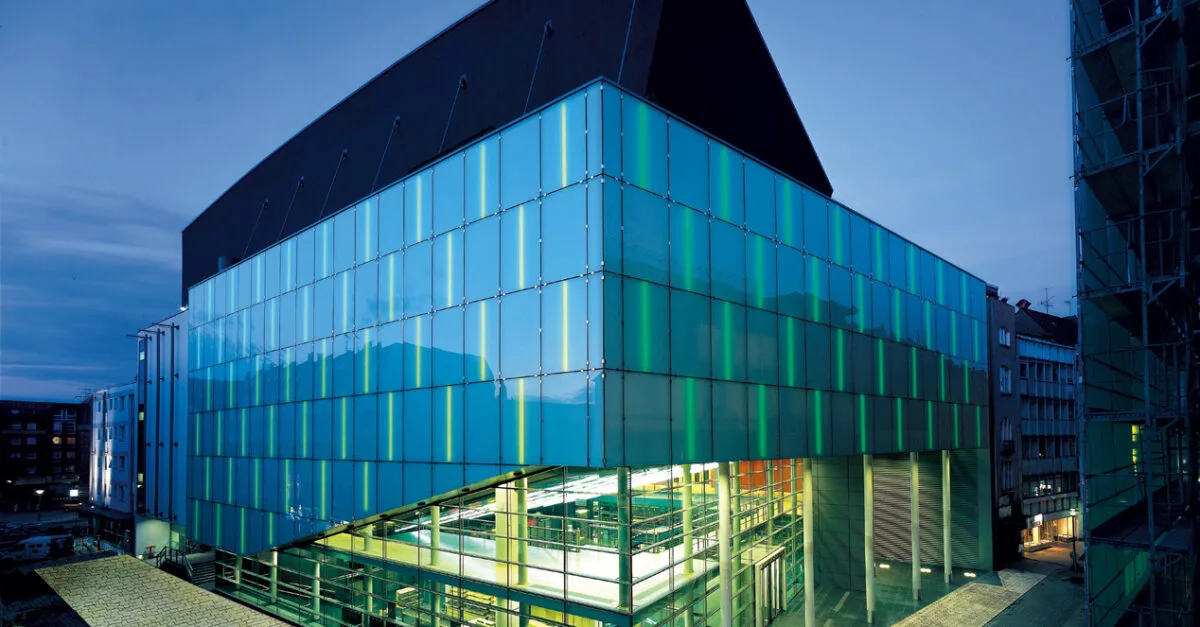 Seunghui Kim (piano), National Chamber Philharmonic Prague, Thomas Brauner (conductor)Seunghui Kim (Klavier) Nationale Kammerphilharmonie Prag Thomas Brauner (Leitung)Konzerthaus Dortmund, Dortmund
Saturday 13 March
19:30Igor Ruhadze (violin), Ludwig Dorner (violin), Iakov Zats (viola), Alexandra Kahrer (violoncello), Michael Dorner (piano)Igor Ruhadze (Violine) Ludwig Dorner (Violine) Iakov Zats (Viola) Alexandra Kahrer (Violoncello) Michael Dorner (Klavier)Albert-Einstein-Gymnasium, Buchholz i. d. NordheideSunday 23 May
11:15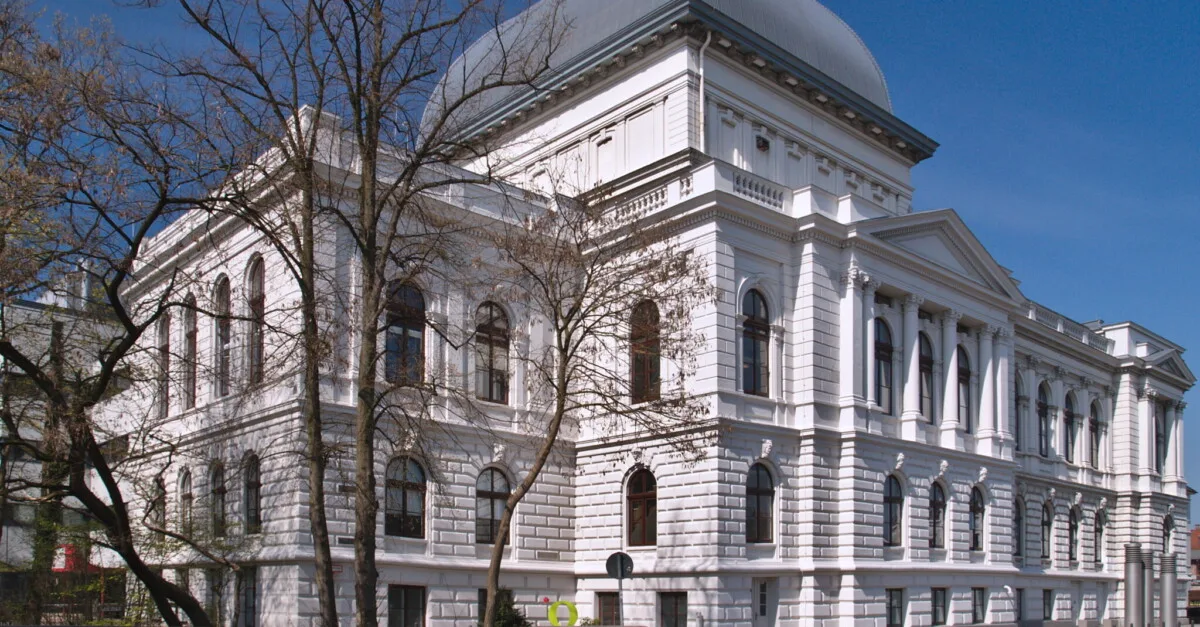 Maximilian Hörmeyer (violin), Oldenburgisches StaatstheaterMaximilian Hörmeyer (Violine) Oldenburgisches StaatstheaterOldenburgisches Staatstheater, Oldenburg